


Face
Read about Skin Texture and Large Pores
Skin Texture and Large Pores
Clear + Brilliant and Exion Clear RF for texture and tone.
Details
Monday to Friday, 8:30 am to 3:30 pm (904) 686-7771
Facial rejuvenation
Dark spots, brown patches and uneven tone diagnosed by a dermatologist and treated at their source, with options that are safe for every skin tone.
All three are pigmentation disorders, where melanin is produced unevenly or in excess. Sun spots, also called age spots or solar lentigines, come from years of UV exposure. Melasma forms symmetrical brown or gray-brown patches, triggered by hormones and sun. Post-inflammatory hyperpigmentation is the dark mark left after acne, eczema or an injury heals.
Pigment can sit at different depths in the skin, which is why it is hard to treat. Surface pigment often improves with topical treatment and gentle exfoliation. Deeper pigment needs lasers or chemical peels.
Treatment starts with a precise diagnosis. Dr. Cappel examines your skin, reviews your medical history and may use advanced imaging to assess the depth and type of pigment, then targets it with a plan that breaks down excess melanin and prevents new pigment from forming.
Pigmentation can come back if the cause, such as sun exposure or a hormonal change, continues. Daily broad-spectrum sunscreen of SPF 30 or higher is essential before, during and after treatment.
Treatment options
Each option suits a different type, depth and severity of pigment. Dr. Cappel often combines them.
A dual-wavelength (532 nm and 1064 nm) laser for sun spots, age spots, freckles and uneven tone. It also treats redness and broken capillaries; see rosacea and facial redness.
A gentle 650-microsecond laser that targets excess melanin without damaging the surface. Pain-free, no downtime and designed for all skin types, including darker tones.
A gentle fractional laser, often called "baby Fraxel," for early pigmentation and uneven tone. More on the texture and pores page.
Fractional radiofrequency microablation for age spots, sun damage, melasma and post-inflammatory pigment, safe for all skin types at the right settings.
Fractional plasma resurfacing for significant pigmentation and sun damage alongside texture. See laser resurfacing.
Customizable peels that remove pigmented skin layers to even out tone. See chemical peels.
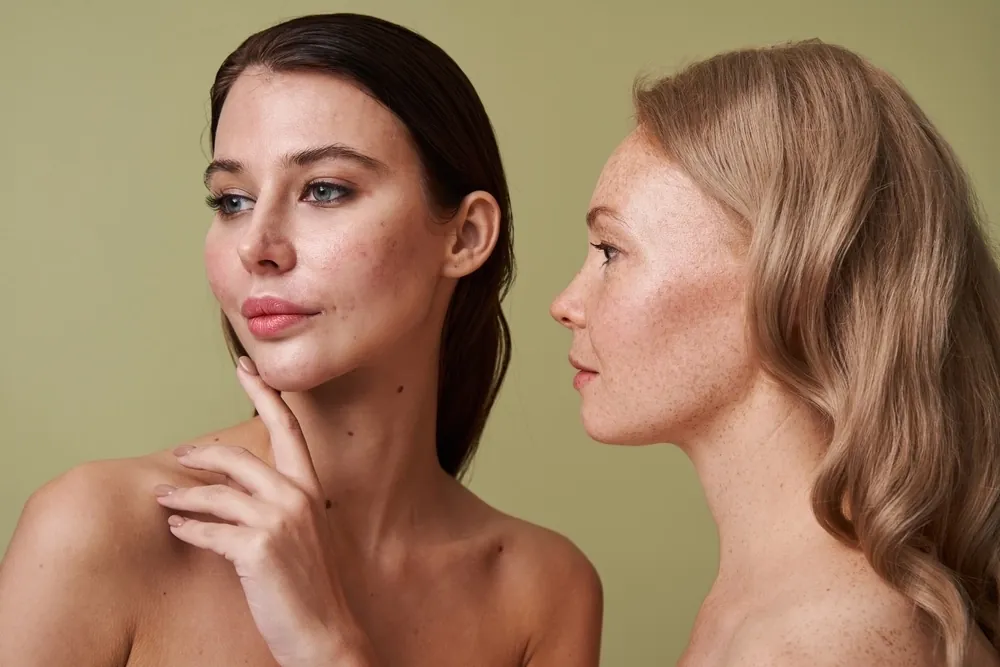
The type of pigmentation decides the treatment, so it is worth knowing which you have. Sun-induced spots are the most common. Melasma is often called the "mask of pregnancy" and is common in women who are pregnant or taking hormonal contraceptives. Dark marks after inflammation can last for months or even years.
Ultraviolet light is the single biggest factor. UV rays prompt the skin to make more melanin as protection, which darkens existing spots and starts new ones. Other triggers add to it.

Veil (Alma Veil) works by selective photothermolysis. Its 532 nm and 1064 nm wavelengths are absorbed by melanin in the spot, which turns to heat and breaks the pigment up while the surrounding skin is left intact. MicroPulse delivery and built-in contact cooling keep treatment comfortable.
Treated spots darken first, often described as looking like coffee grounds, then flake off within 7 to 14 days and keep lightening over 4 to 6 weeks. Most patients need 1 to 4 sessions spaced 4 to 6 weeks apart, with redness for a few hours to a day or two and makeup the next day.
Because Veil also treats blood vessels, it can address both parts of poikiloderma, the reddish-brown discoloration of sun-damaged neck and chest skin.
Melasma and post-inflammatory pigment are often resistant to topical treatment, and some procedures carry a higher risk of new dark marks in darker skin if not performed correctly. The choice of device matters.
Aerolase Neo is designed to be safe and effective for all skin types, including darker tones. Exion Clear RF is safe for all skin types at energies up to 62 mJ per pin, and melasma may need 3 sessions. With Veil, very dark skin needs careful assessment and adjusted settings. Dr. Cappel selects the safest effective option for your skin.
Treatment overview
Dr. Cappel performs an Alma IQ skin analysis, assesses your pigment and skin type, and recommends a plan.
Avoid sun and tanning for 2 to 4 weeks and stop photosensitizing medications if your physician approves. Arrive with clean skin.
The cooled handpiece delivers laser pulses, felt as warmth and a mild snap. Treatment takes about 15 to 45 minutes.
Skin may look red and slightly swollen, like a mild sunburn. Ice packs and soothing products are applied.
Redness lasts a few hours to 1 to 2 days, and makeup can go on the next day. Spots darken and flake off within 7 to 14 days.
Pigment keeps lightening over 4 to 6 weeks. Further sessions, spaced 4 to 6 weeks apart, are added if needed.
Suitability
For redness and broken capillaries, see rosacea and facial redness. For rough texture and pores, see skin texture and pores.
Compared
| Treatment | Primary target | How it works | Best for |
|---|---|---|---|
| Veil | Sun spots, age spots, melasma | Dual-wavelength (532 nm and 1064 nm) laser targets melanin | Superficial and deep pigment correction |
| Aerolase Neo | Dark spots, uneven tone | 650-microsecond Nd:YAG laser | Gentle, pain-free care for all skin types |
| Clear + Brilliant | Early pigmentation, uneven tone | Non-ablative fractional laser | Prevention and maintenance |
| Opus Plasma | Pigmentation, sun damage, texture | Fractional plasma resurfacing | Significant pigment and texture improvement |
| Chemical peels | Pigmentation, sun damage, tone | Chemical exfoliation of pigmented layers | Customizable depth of correction |
Cost
Veil laser treatments typically range from $300 to $800 per session, depending on the size of the area, with package pricing for multiple sessions. Aerolase Neo is typically $300 to $600 per session, Clear + Brilliant $300 to $500 and Opus Plasma $800 to $1,500 for a full face. Exion Clear RF and peel pricing is provided at consultation.
| Treatment | Typical range | Sessions |
|---|---|---|
| Veil laser | $300 to $800 | 1 to 4, spaced 4 to 6 weeks |
| Aerolase Neo | $300 to $600 | Series of 3 to 6 |
| Clear + Brilliant | $300 to $500 | Series of 3 to 6 |
| Opus Plasma, full face | $800 to $1,500 | Series of 3 to 4 |
Costs vary with the number of sessions and the areas treated. We give you transparent pricing at your consultation, before any treatment. Cost and payment options

Who performs this
Double board-certified dermatologist and dermatopathologist
Dr. Cappel examines your skin, reviews your history and assesses the type and depth of your pigmentation before choosing a treatment. His training in dermatopathology helps him pick the safest option for your skin type.
Read full profileQuestions
See a board-certified dermatologist. Dr. Cappel examines your skin, reviews your medical history and may use advanced imaging to assess the depth and type of pigment, which decides the most effective treatment.
It depends on the depth of the pigment and your skin type. Options include Veil laser, Aerolase Neo and Exion Clear RF, which may need 3 sessions for melasma, always paired with daily sun protection because melasma can return.
Some patients see significant improvement after one session of Veil or a chemical peel. Others need a series of 3 to 6 treatments with Aerolase Neo or Clear + Brilliant. Veil usually takes 1 to 4 sessions spaced 4 to 6 weeks apart.
After Veil, treated spots darken and flake off within 7 to 14 days, then keep lightening over 4 to 6 weeks.
Very little with Veil or Aerolase Neo. Most patients have mild redness for a few hours to 1 to 2 days and return to normal activities right away. Makeup can be applied the next day.
Many are, but some carry a higher risk of new dark marks if not performed correctly. Aerolase Neo is designed for all skin types, and Dr. Cappel selects the safest effective treatment for your skin.
Yes, especially if the cause, such as sun exposure or hormonal changes, continues. Wear SPF 30 or higher every day, seek shade and wear protective clothing to protect your results. Read more in our guide to sun spots on the face.
Daily broad-spectrum sunscreen of SPF 30 or higher is the most important step. Avoid peak sun hours, and treat acne promptly without picking to prevent post-inflammatory dark marks.
Where
At our office at 100 Executive Way, Suite 114, Ponte Vedra Beach, under the care of Dr. Cappel, a double board-certified dermatologist and dermatopathologist.
Patients see us from Ponte Vedra Beach, Ponte Vedra, Nocatee, Jacksonville Beach, Atlantic Beach, Neptune Beach, Jacksonville, St. Augustine and Palm Coast and across Northeast Florida.
Also consider
Clear + Brilliant and Exion Clear RF for texture and tone.
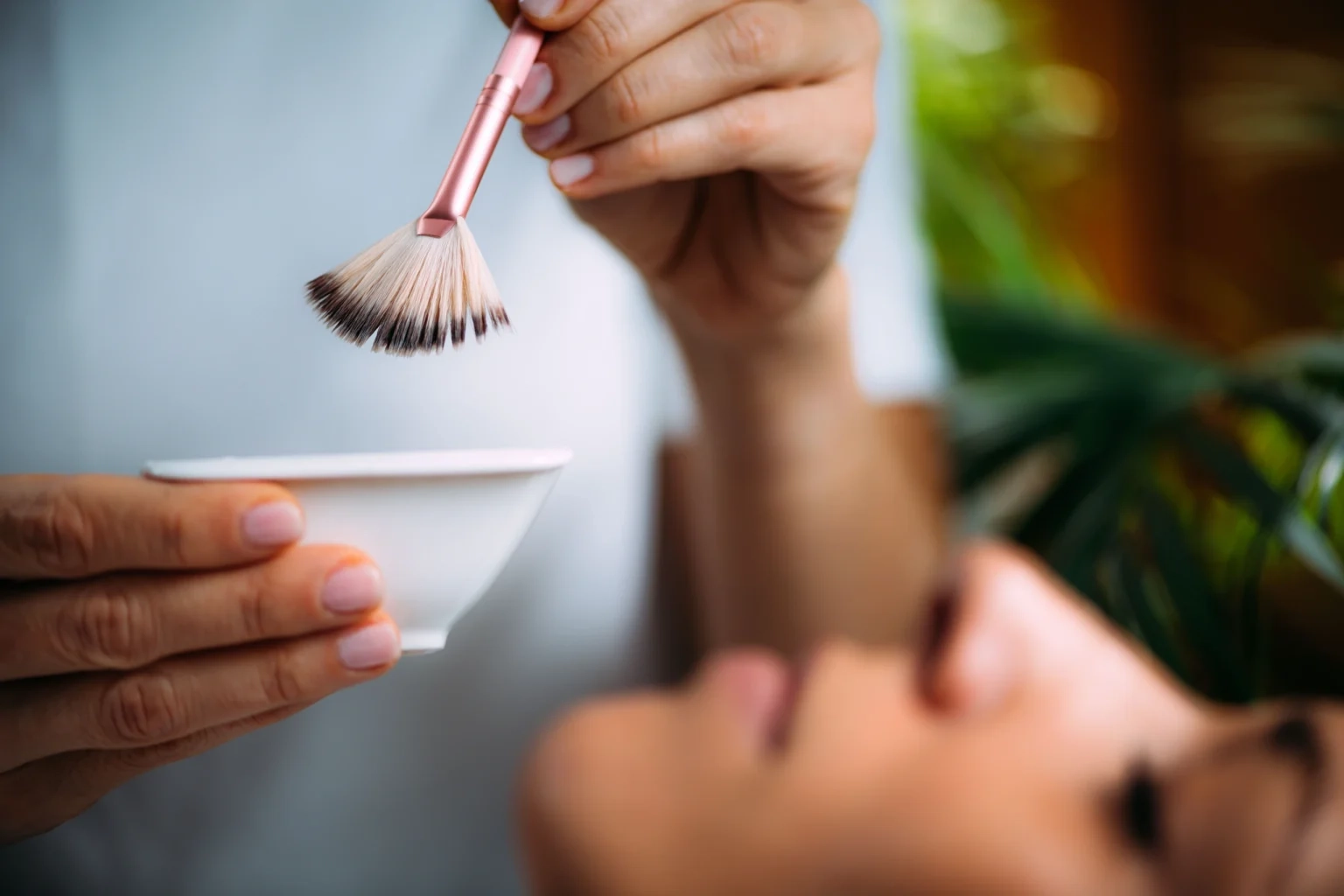
Customizable peels that lift pigmented layers.

Veil laser for broken capillaries and redness.
Book a visit
Dermatology visits, aesthetic consultations and wellness plans all start the same way: a careful assessment by Dr. Cappel and a plan built around your skin, your health and your goals.