


Face
Read about Acne Scars
Acne Scars
Every option for boxcar, rolling and ice pick scars.
Details
Monday to Friday, 8:30 am to 3:30 pm (904) 686-7771
Laser and resurfacing
Aerolase Era, Aerolase Reverse and Opus Plasma for wrinkles, acne scars and sun damage, chosen and supervised by a dermatologist, with options suited to every skin type.
Laser skin resurfacing uses focused energy to improve skin texture, tone and quality by stimulating collagen, removing damaged tissue, or both. It treats wrinkles, fine lines, acne scars, pigmentation, sun damage and rough texture. At Dermagnify the main options are Aerolase Era, Aerolase Reverse and Opus Plasma, with Aerolase Neo for gentler, no-downtime care.
Lasers work by selective photothermolysis: a wavelength is absorbed by a target in the skin, such as water, melanin or blood vessels, and turns to heat, treating damaged tissue while sparing the skin around it. Changing the wavelength, pulse duration and energy lets us match treatment to your concern, skin type and downtime.
Ablative treatments (Aerolase Era, Opus) remove a thin layer of damaged skin and give visible improvement within one to two weeks, with 3 to 7 days of recovery. Non-ablative treatments (Aerolase Neo, Clear + Brilliant) have no downtime and build results gradually over a series.
Darker skin is not excluded. Aerolase Neo and Opus are safe for all Fitzpatrick skin types, and Aerolase Era and Reverse can be used on darker skin with conservative settings and protocol adjustments.
Key concerns addressed
Each device has its strengths. Dr. Cappel matches the device to the concern after an Alma IQ skin analysis.
Era and Opus resurface damaged skin and drive deep collagen remodeling for perioral lines, forehead lines, crow's feet and neck wrinkles. See wrinkles and fine lines.
Ice pick, boxcar and rolling scars respond to Era, Opus and Reverse, which resurface the scar edge and rebuild collagen beneath. See acne scars.
Era removes accumulated photodamage, rough texture and precancerous changes (actinic keratoses), and Neo lightens pigment. See sun spots and melasma.
Resurfacing smooths rough, uneven skin and refines pores. See texture and pores.
Deep heating tightens and firms skin. Opus can tighten loose, crepey eyelid skin without surgery.
Era and Opus remodel raised, depressed or discolored scars from surgery or injury.
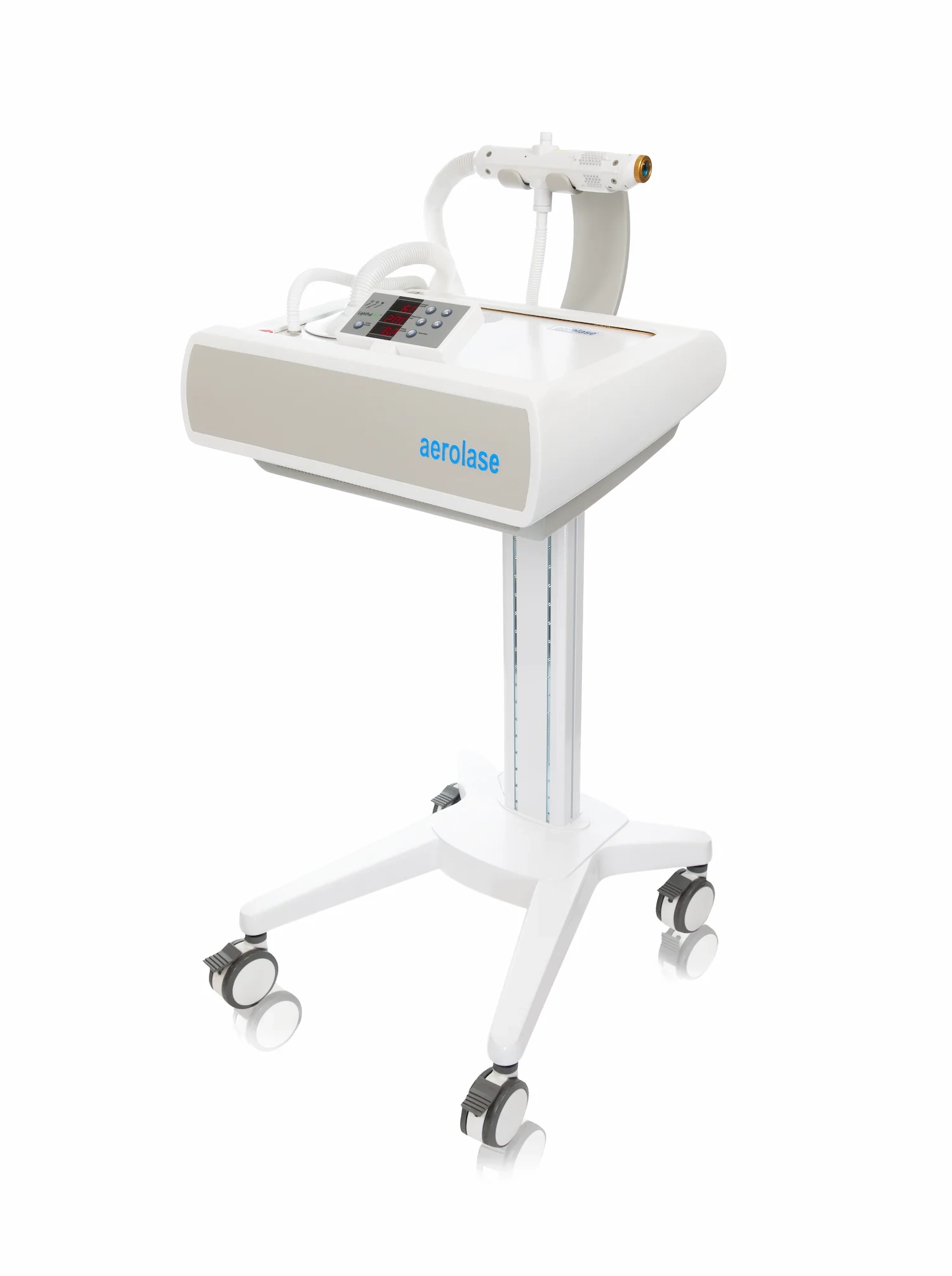
Aerolase is a family of lasers with very short pulses that deliver energy fast enough to treat the target without overheating the skin's surface. That is what makes the platform safe for all skin tones, including the darker skin types often excluded from laser treatment, and usable year-round with proper sun protection.
Aerolase Neo Elite is a non-ablative 1064nm Nd:YAG laser with a 650-microsecond pulse that treats more than 36 FDA-cleared skin conditions with one handpiece. It is pain-free, needs no numbing and has no downtime. Sessions take 20 to 30 minutes and run $300 to $600, usually as a series of four to six, two to four weeks apart.
Aerolase Era Elite is an ablative 2940nm Er:YAG laser. Its 300-microsecond pulse vaporizes the damaged outer layers of skin with micron-level precision while creating controlled heat in the upper dermis to stimulate collagen and elastin. Depth is adjustable, from a light peel to full resurfacing, with a hybrid fractional option for deeper remodeling.
It is our most dramatic resurfacing option for deep wrinkles, acne scars, severe sun damage, precancerous changes, rough texture and laxity. Because it causes less heat damage than a CO2 laser, new skin forms in two to three days and downtime is 3 to 7 days. Many patients need one treatment, and severe concerns may need two or three.
Treatment takes 30 to 60 minutes under topical anesthetic. Full-face Era treatments typically cost $1,500 to $3,500 per session; smaller areas and lighter peels cost less. Results last for years with sun protection, and some patients choose maintenance every one to two years. On darker skin (Fitzpatrick IV to VI) Dr. Cappel uses conservative settings.
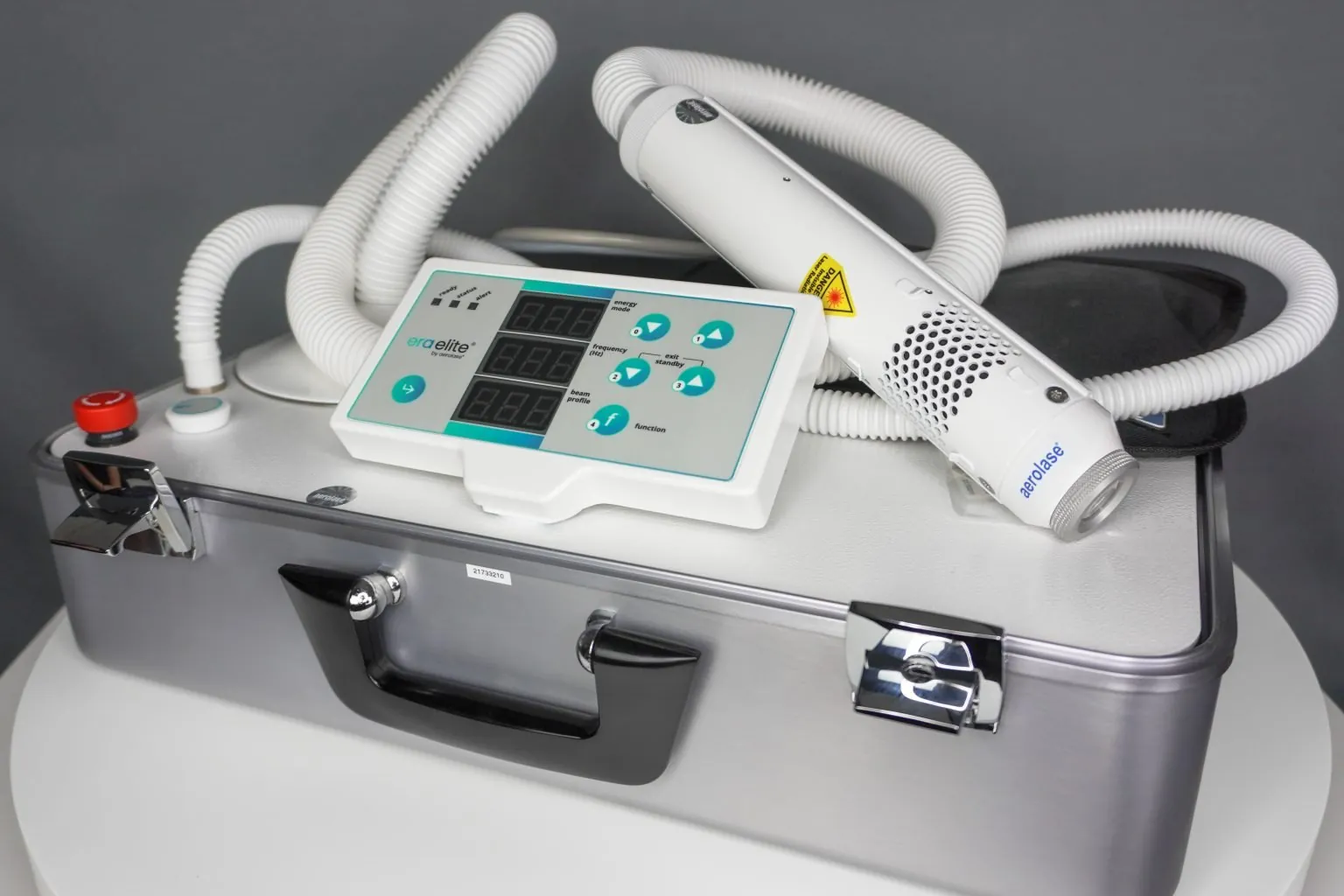
Reverse combines both lasers in a single appointment. The Neo goes first, reaching 4 to 6 mm into the dermis to stimulate collagen, target pigment and calm inflammation. The Era follows, gently ablating the surface to refine tone, texture, pores and fine lines. You treat both layers of the skin with one recovery, which follows the Era timeline of 3 to 7 days.
Dr. Cappel performs Reverse as a planned program, pairing one or more Reverse sessions with Neo follow-ups every four weeks. A session takes 60 to 90 minutes and typically costs $1,800 to $4,100, depending on the area. For Fitzpatrick IV to VI skin he uses modified energy settings and added steps to protect against pigment change.
Opus by Alma Lasers is fractional radiofrequency resurfacing rather than a light-based laser. Electrodes in the handpiece create tiny plasma sparks that form micro-channels at the surface, while the RF energy heats deep in the dermis to tighten tissue and rebuild collagen. Only a fraction of the skin is treated, so healthy skin in between speeds healing.
Opus treats acne scars of all types, deep wrinkles, laxity, crepey eyelids, stretch marks and surgical scars, with results comparable to CO2 resurfacing and 3 to 5 days of downtime instead of 7 to 14. Because RF energy bypasses melanin in the skin's surface, it is safe for all skin types, including Fitzpatrick IV to VI.
Treatment takes 30 to 45 minutes under topical anesthetic, usually as a series of three to four, four to six weeks apart. Full-face treatments typically cost $800 to $1,500 per session, with package pricing for a series.
Treatment overview
Dr. Cappel performs an Alma IQ skin analysis, reviews your history and skin type, and recommends the device and plan.
Avoid sun and tanning for 2 to 6 weeks and stop retinoids 1 to 2 weeks before. Antiviral medication if you get cold sores.
Numbing for Era, Reverse and Opus; none needed for Neo. 15 to 90 minutes, with cooling for comfort.
Neo leaves skin pink for a few hours. After ablative treatment, ointment and cooling are applied, with wound care for 7 to 14 days.
None for Neo. Era, Reverse and Opus bring 3 to 7 days of redness and peeling; pinkness fades over 2 to 4 weeks.
Ablative results show at 1 to 2 weeks and build for 3 to 6 months. Neo results build gradually over a series.
Suitability
For lighter, no-downtime options see texture and pores, or microneedling.
Compared
| Device | Key indications | Downtime | Typical sessions |
|---|---|---|---|
| Aerolase Neo | Acne, rosacea, pigmentation, fine lines, vascular lesions | None | 4 to 6, two to four weeks apart |
| Aerolase Era | Deep wrinkles, acne scars, sun damage, texture | 3 to 7 days | 1 to 3 |
| Aerolase Reverse | Multiple concerns across dermis and surface | 3 to 7 days | 1 to 3 Reverse sessions plus Neo follow-ups |
| Opus Plasma | Acne scars, wrinkles, tightening, texture, stretch marks | 3 to 5 days | 3 to 4, four to six weeks apart |
| Clear + Brilliant Touch | Early aging, pores, tone, radiance, prevention | None | 3 to 6, two to four weeks apart |
Results
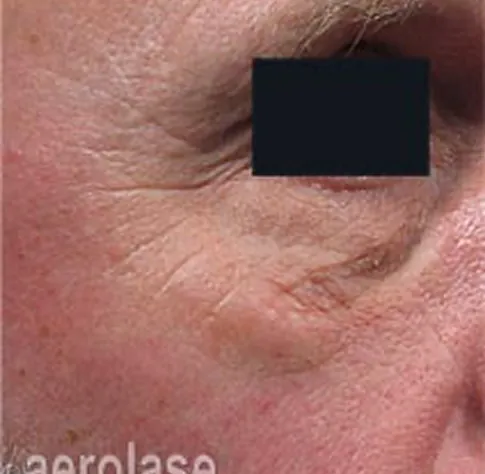
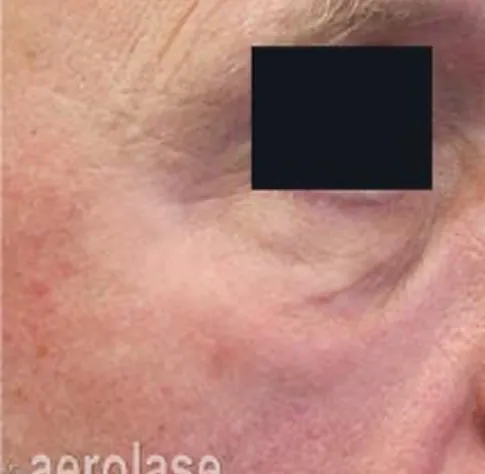
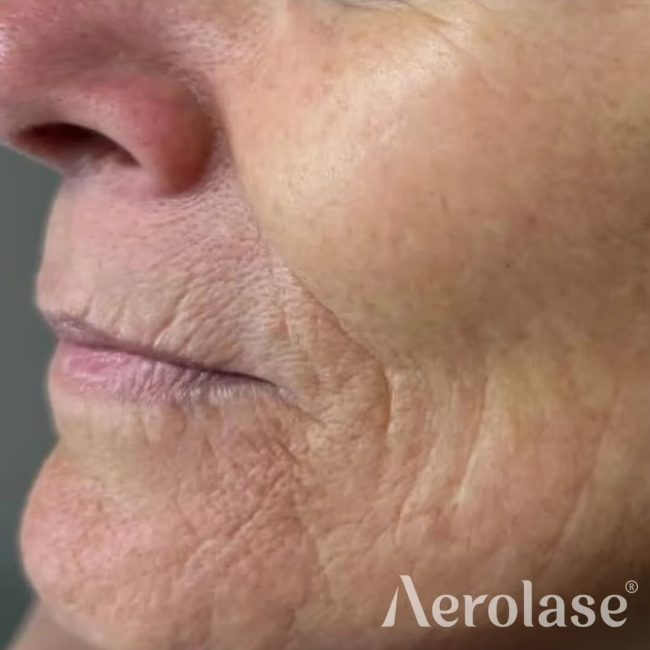
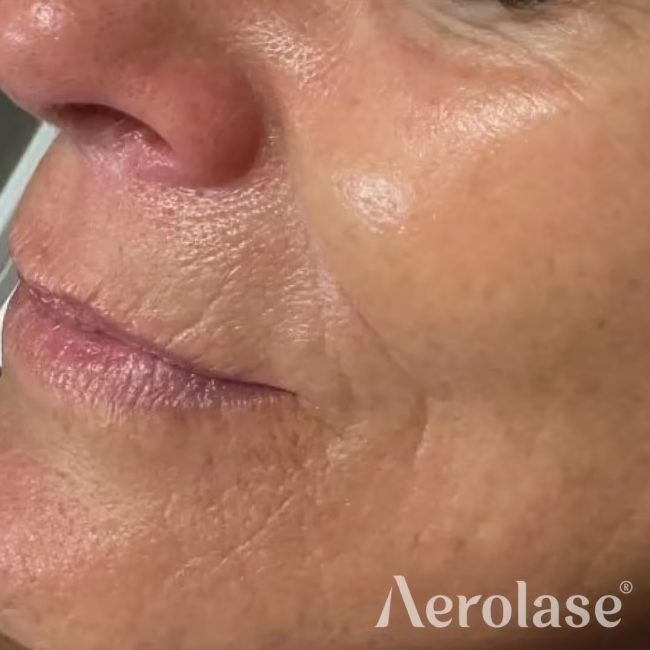
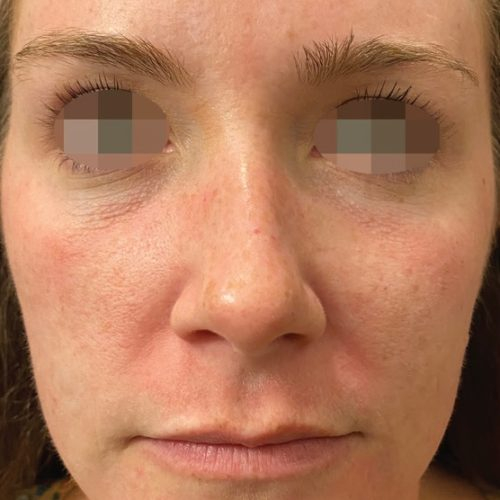
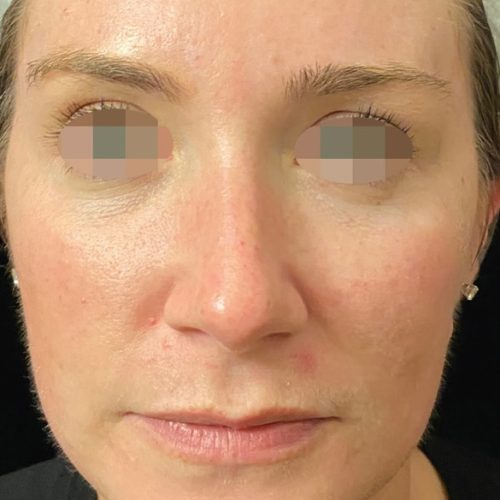
Results for this treatment, photographed before treatment and at review.
 Before
After
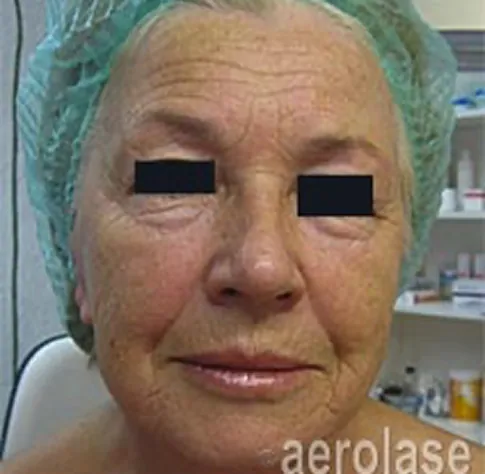
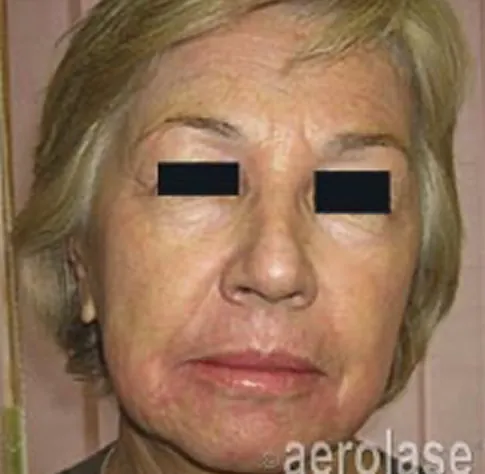 Before
After
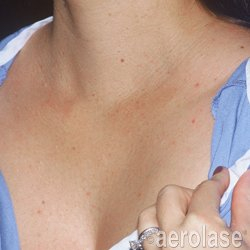
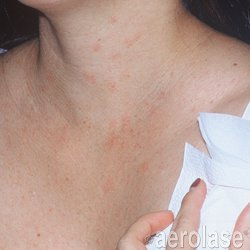 Before
After
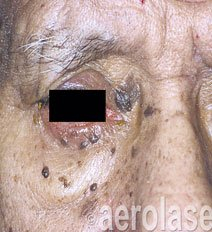
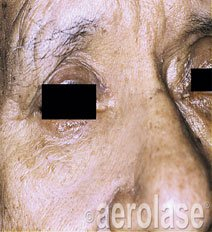 Before
After
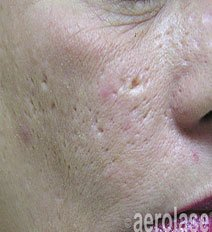
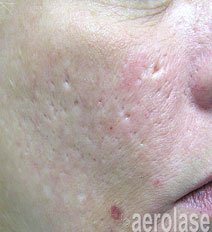 Before
After
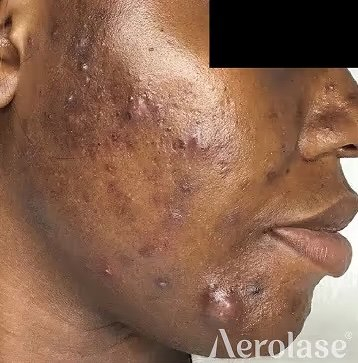
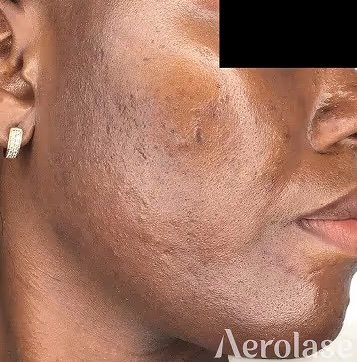 Before
After
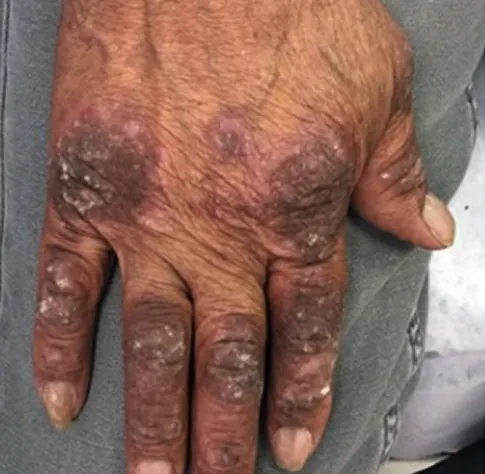
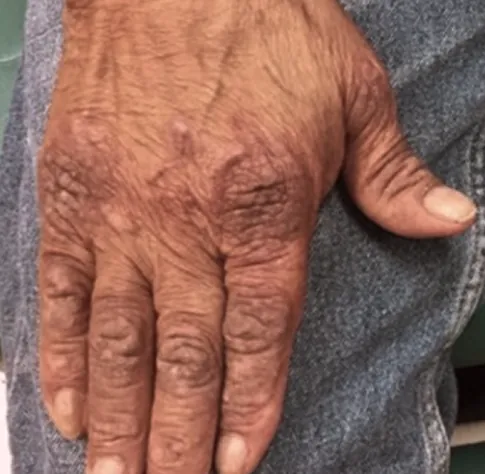 Before
After
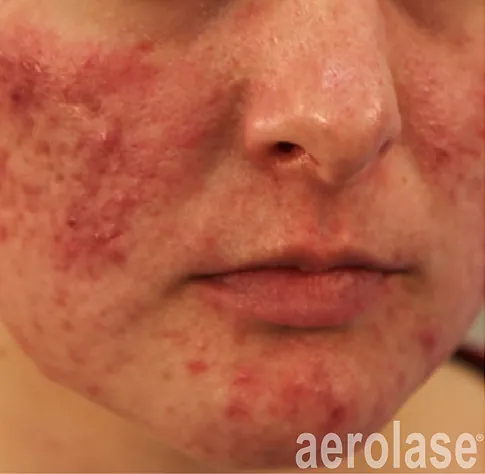
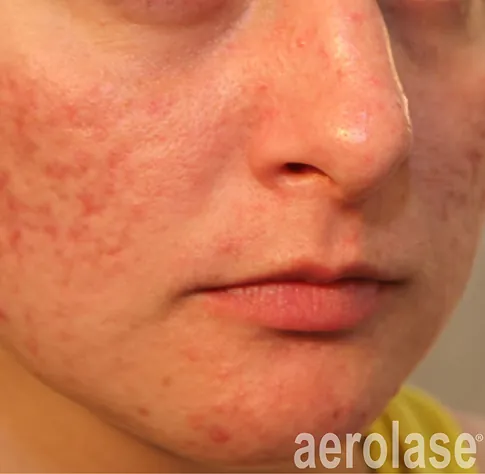 Before
After
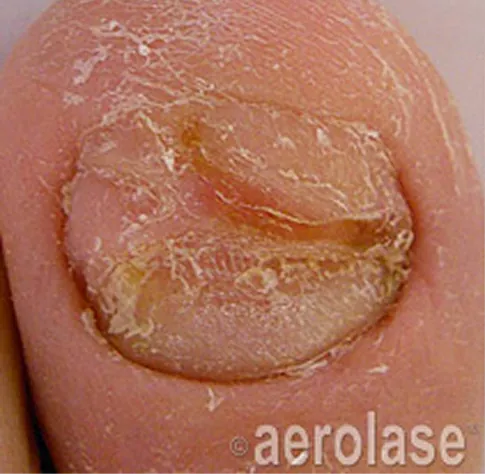
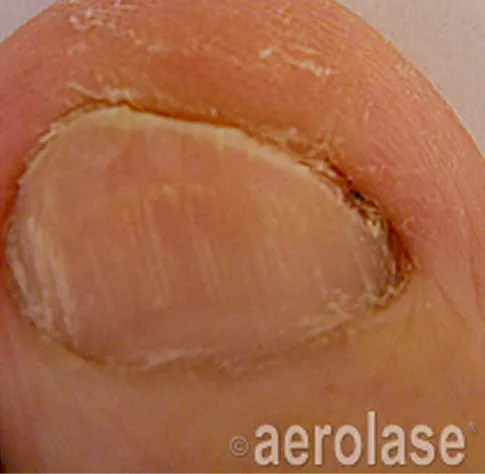 Before
After
 Before
After
 Before
After
Individual results vary. Photographs depict actual outcomes for specific patients and are not a guarantee of the results any individual patient will experience.
Cost
Cost depends on the device, the area and the number of sessions. Aerolase Neo sessions are $300 to $600, Opus Plasma full-face treatments $800 to $1,500, Aerolase Era full-face treatments $1,500 to $3,500 and Aerolase Reverse sessions $1,800 to $4,100. Package pricing is available for series, and exact pricing is confirmed at your consultation.
| Treatment | Typical range | Sessions |
|---|---|---|
| Aerolase Neo | $300 to $600 per session | 4 to 6, two to four weeks apart |
| Clear + Brilliant Touch | $300 to $500 per session | 3 to 6, two to four weeks apart |
| Opus Plasma, full face | $800 to $1,500 per session | 3 to 4, four to six weeks apart |
| Aerolase Era, full face | $1,500 to $3,500 per session | 1 to 3 |
| Aerolase Reverse | $1,800 to $4,100 per session | Plans of 3, 4 or 6 months |
Smaller areas and lighter Era peels cost less than full-face treatment. Reverse plans combine Reverse sessions with Neo follow-ups. Cost and payment options

Who performs this
Double board-certified dermatologist and dermatopathologist
Dr. Cappel, a Mayo Clinic-trained, double board-certified dermatologist and dermatopathologist, chooses the device and settings for your skin type, and every Aerolase treatment is performed under his direct supervision.
Read full profileQuestions
It depends on your concerns, skin type and downtime. Generally, Aerolase Neo suits acne, pigment and redness with no downtime; Era and Opus suit deep wrinkles and scars with 3 to 7 days of recovery; Reverse suits several concerns at once in a structured program. Dr. Cappel confirms the choice at consultation.
Yes. Aerolase Neo and Opus are safe for all Fitzpatrick skin types, including darker skin. Aerolase Era and Reverse can also be used on Fitzpatrick IV to VI skin with conservative settings and extra protocol steps to prevent pigment change.
Aerolase Neo and Clear + Brilliant usually take 3 to 6 sessions two to four weeks apart. Aerolase Era often works in 1 to 3 treatments, Opus in 3 to 4 spaced four to six weeks apart, and Reverse follows a 3, 4 or 6 month plan.
Topical numbing is used for ablative treatments, and cooling keeps you comfortable. Aerolase Neo needs no numbing. Era and Opus can cause moderate warmth or prickling during treatment that is well controlled.
After Era, Opus or Reverse, improvement is visible once healing is complete at 1 to 2 weeks, and continues for 3 to 6 months as collagen builds. Non-ablative treatments improve gradually over weeks to months.
Both cause less heat damage than a CO2 laser. Opus gives comparable results with 3 to 5 days of downtime instead of 7 to 14, and Era heals in 3 to 7 days, with lower risk of complications, particularly for darker skin.
Yes. Aerolase treatments are safe year-round with proper sun protection. Use a broad-spectrum SPF 30 or higher, or a zinc oxide sunblock, before and after every session, especially around Era and Reverse.
Yes. Lasers pair well with Botox, chemical peels and RF microneedling. Dr. Cappel sequences treatments for the best result.
Where
At our office at 100 Executive Way, Suite 114, Ponte Vedra Beach, under the care of Dr. Cappel, a double board-certified dermatologist and dermatopathologist.
Patients see us from Ponte Vedra Beach, Ponte Vedra, Nocatee, Jacksonville Beach, Atlantic Beach, Neptune Beach, Jacksonville, St. Augustine and Palm Coast and across Northeast Florida.
Also consider
Every option for boxcar, rolling and ice pick scars.

Aerolase Neo, peels and skincare for pigment.

Clear + Brilliant and Exion ClearRF for texture with little or no downtime.
Book a visit
Dermatology visits, aesthetic consultations and wellness plans all start the same way: a careful assessment by Dr. Cappel and a plan built around your skin, your health and your goals.