

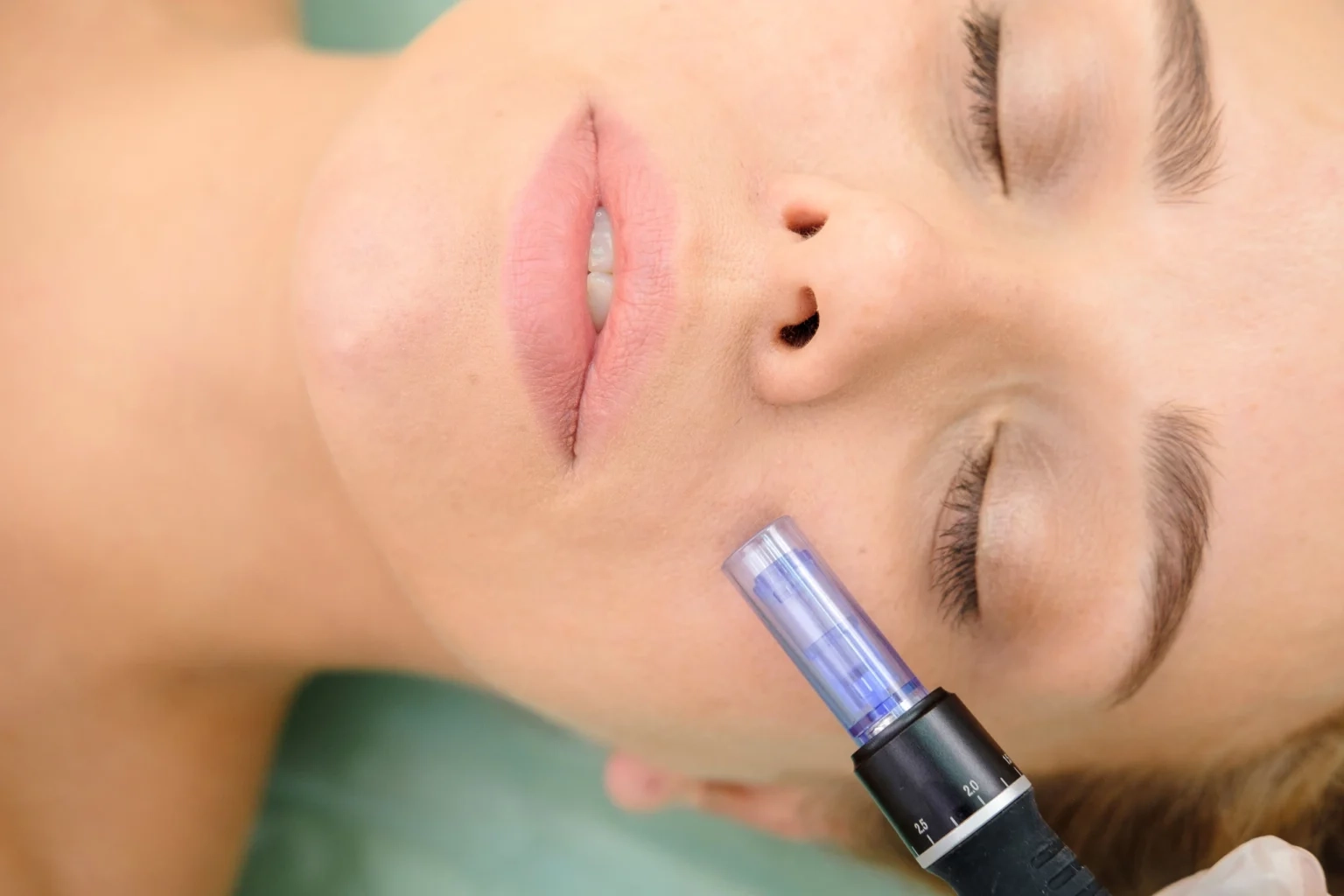
Face
Read about Microneedling
Microneedling
Collagen induction for acne scars and texture, safe for all skin types.
Details
Monday to Friday, 8:30 am to 3:30 pm (904) 686-7771
Skin rejuvenation
Customized peels for pigmentation, acne, fine lines and texture, from gentle superficial peels to physician-performed deep peels, selected by a member of the International Peeling Society.
A chemical peel is a dermatological treatment in which a carefully selected solution is applied to the skin to remove damaged outer layers and stimulate new collagen and healthy cells. Depending on its depth, a peel improves pigmentation, sun spots, melasma, acne, fine lines, scarring and overall texture and radiance.
The solution causes controlled damage to the epidermis and, with deeper peels, the upper dermis. Over the following days to weeks the damaged layers shed, revealing fresher, smoother, more even-toned skin, while the healing response builds new collagen and elastin.
Peels can treat the face, neck, chest, hands and other areas. They are safe and effective for most skin types in experienced hands, though darker skin tones need careful selection and technique to avoid pigment changes.
There is no single best peel, only the best peel for your skin. Dr. Cappel weighs four things: your skin type (including how it responds to inflammation and pigment change), the concerns you want to treat, the result you want and the downtime you can accommodate.
Three depths
Dermagnify offers the full spectrum of chemical peels. Deeper peels give more per treatment and need more recovery.
Salicylic acid, Jessner solution and mandelic acid gently exfoliate the outer epidermis. The workhorses for acne, melasma, oily skin and pigmentation, and ideal for maintenance. None to two days of light flaking. With the right selection, safe for most skin types, including darker skin.
Trichloroacetic acid reaches the upper dermis for more dramatic results per treatment. Best for sun damage, pigmentation, fine lines, rough texture and mild acne scarring. Expect visible peeling for 3 to 7 days.
The most powerful category, reserved for advanced wrinkles, severe photoaging and dramatic facial rejuvenation. Physician-performed, with careful screening and a structured recovery plan.
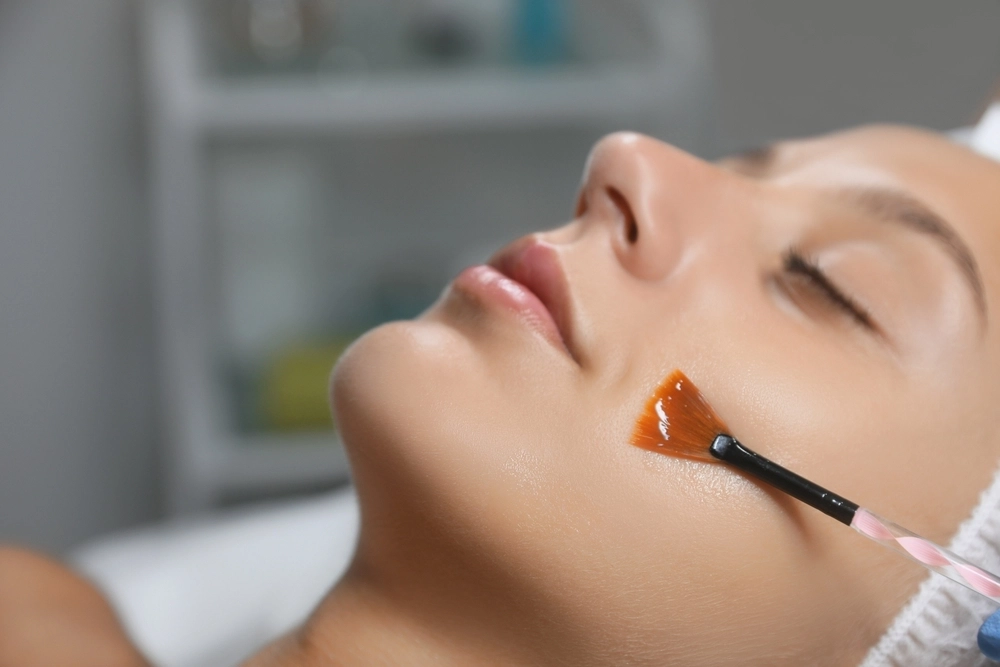
Dull, uneven, damaged skin builds up from dead skin cells, sun exposure, acne, aging and the environment. A peel removes that layer and stimulates renewal, so a single treatment can address several concerns at once.
CROSS (Chemical Reconstruction Of Skin Scars) treats ice pick and selected boxcar acne scars. Using a fine applicator, Dr. Cappel places high-strength TCA precisely at the base of each scar, sparing the skin around it.
The focal injury stimulates new collagen inside the scar, gradually lifting and smoothing it over a series of sessions spaced several weeks apart. Because CROSS targets individual scars, it pairs well with field treatments such as microneedling or laser resurfacing when broader texture improvement is also a goal.
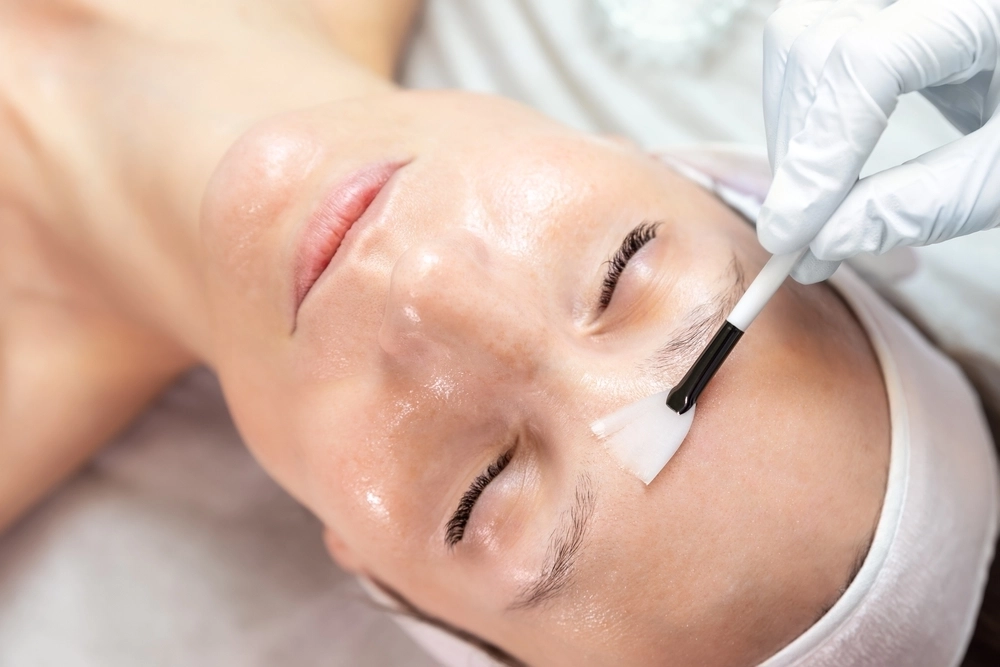
This is how Dr. Cappel typically matches common concerns to peel types. Your own recommendation is always made at consultation.
Dr. Cappel is a double board-certified dermatologist who performs and directs every peel treatment plan, and an active member of the International Peeling Society. Plans are built around your skin type, concerns, goals and downtime.
Melasma shows why that matters: aggressive resurfacing can worsen it, so a conservative, physician-directed series is the safest approach. In many cases the strongest results come from combining peels with microneedling, laser treatments or medical-grade skincare, sequenced so each treatment supports the next.
Treatment overview
Dr. Cappel assesses your skin type, concerns and goals and recommends the peel type and depth, with what to expect from recovery.
You may prepare with products such as a retinoid or hydroquinone for 2 to 4 weeks. Avoid sun exposure and waxing beforehand.
The skin is cleansed and degreased, the solution applied and timed, then neutralized or removed. Tingling or warmth is normal.
None to 2 days of flaking for superficial peels, 3 to 7 days of peeling for medium-depth peels. Avoid the sun throughout.
Brightness shows within a week of a superficial peel. Medium-depth results appear at 7 to 10 days and build for 4 to 12 weeks.
Superficial series every 2 to 4 weeks; maintenance peels every 6 to 12 months after medium-depth peels.
Suitability
For deeper scars and texture, see microneedling and laser skin resurfacing.
Compared
| Treatment | How it works | Downtime | Best for |
|---|---|---|---|
| Superficial peel | Glycolic, salicylic or lactic acid exfoliates the outer epidermis | None to 2 days | Brightness and mild texture; maintenance; most skin types |
| Medium-depth peel | TCA or Jessner's reaches through the epidermis into the upper dermis | 3 to 7 days | Pigmentation, acne scars, fine lines and texture |
| Deep peel | Phenol-croton oil reaches the deeper dermis | 7 to 14 days of peeling, then fading redness over weeks | Advanced wrinkles and severe photoaging; physician-performed |
| Microdermabrasion | Physical exfoliation removes dead skin cells | None | Very mild texture; less effective than a chemical peel |
Cost
The cost depends on the type and depth of peel, the size of the area and the number of sessions. Superficial peels cost less than medium-depth peels. Most patients reach their best result with a series of 3 to 6 superficial peels or 1 to 2 medium-depth peels. We give you transparent pricing at your consultation, with package pricing and flexible payment options.
Costs vary with the number of sessions and the areas treated. We give you transparent pricing at your consultation, before any treatment. Cost and payment options

Who performs this
Double board-certified dermatologist and dermatopathologist
Dr. Cappel selects and customizes every peel at Dermagnify, performs deep peels and the CROSS technique himself, and is an active member of the International Peeling Society.
Read full profileQuestions
The right peel depends on your skin type, your concerns, your goals and the downtime you can accommodate. Dr. Cappel evaluates all four at consultation and may combine peels with medical-grade skincare, microneedling or laser treatments.
Superficial peels with salicylic acid, Jessner solution or mandelic acid are typically best for active acne and oily skin. For ice pick scars, the CROSS technique with high-strength TCA treats each scar individually.
Superficial peels such as salicylic acid, modified Jessner solution or glycolic acid, combined with strict sun protection and often prescription skincare. Aggressive resurfacing can worsen melasma, so a conservative, physician-directed series is safest.
Medium-depth TCA peels are usually most effective for sun damage, sun spots and fine lines. Deep wrinkles and severe photoaging call for a phenol-croton oil deep peel, performed by Dr. Cappel with careful screening and a structured recovery plan.
Superficial peels have no downtime or 1 to 2 days of mild flaking. Medium-depth peels bring 3 to 7 days of visible peeling and redness, and deep peels 7 to 14 days. Avoid the sun and follow your aftercare throughout.
You may feel tingling, warmth or mild burning while the solution is on, which most patients tolerate well. Medium-depth peels feel more intense. Afterward the skin can feel tight and sensitive, like a sunburn.
Superficial peels work as a series of 3 to 6 spaced 2 to 4 weeks apart, and results last 1 to 2 months. One or two medium-depth peels can be enough, with results lasting 6 to 12 months or longer and maintenance peels every 6 to 12 months.
At our Ponte Vedra Beach office, serving Jacksonville, St. Augustine, Nocatee and Northeast Florida. Dr. Mark A. Cappel, MD, is a double board-certified dermatologist and an active member of the International Peeling Society.
Where
At our office at 100 Executive Way, Suite 114, Ponte Vedra Beach, under the care of Dr. Cappel, a double board-certified dermatologist and dermatopathologist.
Patients see us from Ponte Vedra Beach, Ponte Vedra, Nocatee, Jacksonville Beach, Atlantic Beach, Neptune Beach, Jacksonville, St. Augustine and Palm Coast and across Northeast Florida.
Also consider
Collagen induction for acne scars and texture, safe for all skin types.

Every option for sun spots, dark spots and melasma.
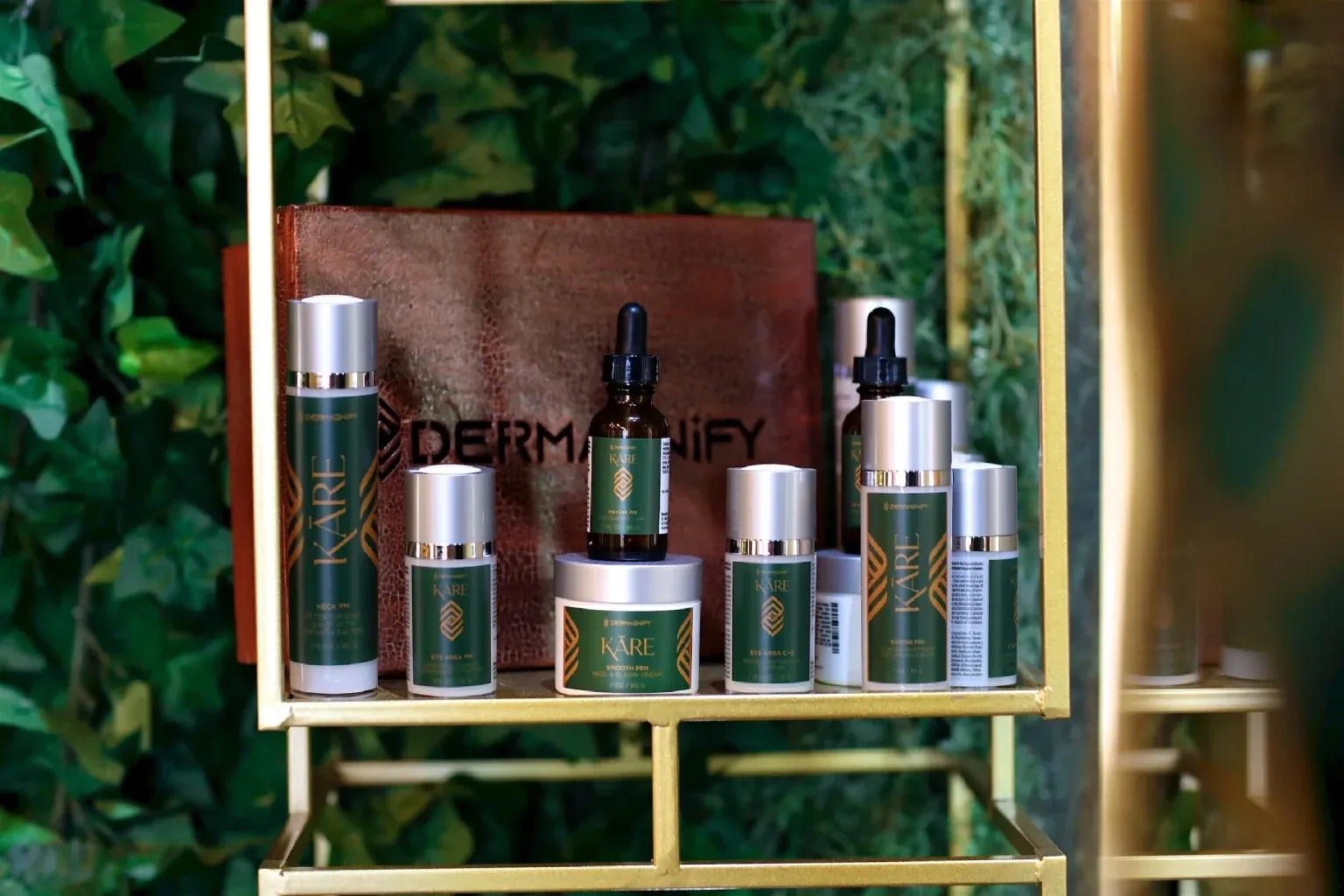
The daily routine that prepares your skin and maintains results.
Book a visit
Dermatology visits, aesthetic consultations and wellness plans all start the same way: a careful assessment by Dr. Cappel and a plan built around your skin, your health and your goals.